


Conviction #5
Conviction #5
For responsible mobility, ‘seamless’ intermobility is a must
The UN estimates that by 2050, 83% of the world’s population will live in cities or urban areas(a). According to the same study, there will be 37 cities with more than 10 million inhabitants worldwide by 2050, with Dhaka to Bangladesh having a population of over 52 million. Yet in most cities, 50% of the available ground space is currently occupied by cars (roads, parking, service stations and signage)(b)! All the data confirms, if we didn’t already know, the unsustainability of the autosolism model.
Decongesting cities calls for ‘seamless’ intermodality. A mobility model that facilitates connections during a journey from start to finish between: high-capacity transport modes, which will always play a key role (trains, metro, tramway, bus); lower capacity but shared modes (collective ride-hailing or VTOL, carpooling); and individual modes (walking, cycling, scooter).
If it is to work, intermodality must be attractive and competitive. Better connections between the different transport modes will add value to tomorrow’s mobility. Finally, more widespread use of digital technology and artificial intelligence (AI) should make it possible to optimise journeys in real time by combining data from all modes of transport and creating a virtual one-stop-shop. Blockchain may also serve as a technology brick to encourage the introduction of a ‘Mobility Data Marketplace’ to boost data exchange flow and enhance data.
Consequently, Futura-Mobility is in favour of opening up mobility data. On condition the rules are fair, i.e. the same for all stakeholders: public or private, large or small.
It should be noted that beyond the technology challenge, digitisation of travel assistance also raises an environmental question – over the consumption of resources linked to digital technology, and inclusiveness – since the skills for interacting with a machine differ from person to person.
Finally, while cities are the first to be affected by these issues, mobility in peri-urband rural areas also represents a major challenge. This is especially true since urban concentration today comes with sprawl and the growth of peri-urban zones that are, moreover, undesirable.
While it may be necessary to provide continuity of service in order to avoid a divide between people with easier access to mobility than others, using the same modes of transport isn’t necessarily the right solution because the problems differ. Ongoing tech breakthroughs, such as vehicle automation, can be adapted to meet these peri-urban and rural needs. Nevertheless, to a large extent, solutions still need to be invented to limit private car use. Curbing urban sprawl, especially by bringing work and living places closer together and supporting local retail, also forms part of the solution for rethinking territories.
In any case, one of the difficulties arises because the ideal mix of mobility solutions will greatly depend on the territory it must cover. Indeed, beyond local regulations, the weather, geographical, historical and cultural conditions will determine whether or not a mobility solution can be introduced.
Footnotes:
b Ellen MacArthur Foundation / 2019 study
https://twitter.com/circulareconomy/status/1115903642446508033
KEY FIGURES
83%
of people worldwide will be living in cities by 2050.

37
megacities with over 10 million inhabitants by 2050.

149
hours lost to traffic jams in Dublin in 2020.

EXPERT EYES
Julie Morel and Arnaud Julien
ILLUSTRATIONS

SimplyGo enhances commuter experience
The SimplyGo app offers a simplified user experience by consolidating transit services, journey planning, and lifestyle features into a simple-to-use transit app.

Boosting rural mobility and social inclusion
The European project Rural Mobility aims to demonstrate how rural transport policy and intelligent transport systems (MaaS, on-demand bus services, ride-sharing…) can actively support the economic and social inclusion of previously isolated populations.
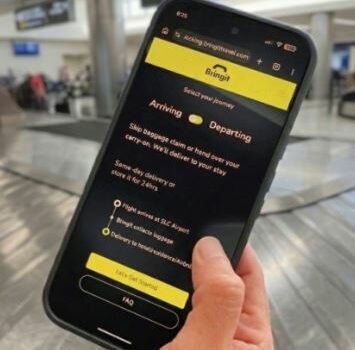
Wave goodbye to ‘luggage limbo’
Launched at Salt Lake City International Airport, an app by Utah, travel-tech startup Bringit can retrieve checked luggage and deliver it directly to hotels, short-term rentals, or residences within a scheduled window.
SHORT STORY
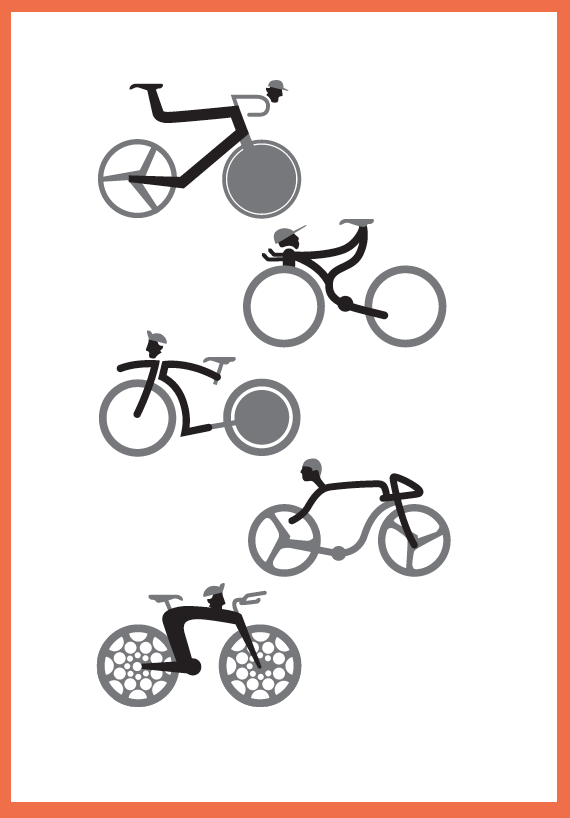
Mobility Package-Man
What if tomorrow we had themed mobility packages?