


Conviction #4
Conviction #4
Soft mobility for users, for the community, for the planet
The climate emergency is forcing us to rationalise the energy used and weight of the materials moved depending on the weight of what is being transported. In conjunction with collective transport, we must therefore clearly prioritise sustainable modes of transport — such as walking, cycling, cargo bikes, scooters, uni- and tricycles — for both passenger and goods transport.
While this idea is now widely accepted, ‘soft’ currently only refers to the impact of these transport modes on the environment. It would be a good idea to extend the notion to include individuals and the community. This implies establishing acceptable safety conditions for users and those around them, as well as adapting infrastructure and regulations. Many cities across the globe – built around the privately owned car – are lacking pavements or have roads unsuited to electric scooters or bikes, for instance. Not to mention urban infrastructure unadapted to last-mile deliveries – parcels, shopping, equipment, food… – or the needs of repair and postal workers, who have to park frequently and transport small amounts of equipment.
We regularly experience this in large cities: when these transport modes all of a sudden invade cities ill-adapted to their use, they are no longer quite so ‘soft’ when it comes to safety!
This grid analysis of ‘soft’ mobility applies to every travel mode, not just those used for first- and last-mile trips. So, does the RER (réseau express régional / commuter rail services for Paris and its region) qualify as a soft transport mode? And if not, what is missing to tick the box?
Let’s also bear in mind that in many countries – especially in sub-Saharan Africa and Arab states (except the Gulf and Lebanon) – walking remains by far the most widely used mode of transport. For the poorest inhabitants of this region of the world, 75% of daily journeys are made on foot (compared to 45% for the wealthiest)(a). So for these territories, the challenge is to facilitate uptake of transport modes that are both faster and more comfortable for people, as well as environmentally friendly. In other words, this will involve cities avoiding the ‘car is king’ phase altogether, and leapfrogging directly to responsible transport modes.
For medium and long distances, the soft mobility issue differs. For the former, often intracontinental, there are solutions – starting with the train – for advancing towards more virtuous mobility. On the other hand, the plane still represents practically the only way to travel between continents. The sudden, widespread uptake of video conferencing since the Covid-19 crisis, and soon virtual reality, is raising questions over the relevance of some long-distance journeys: is it still realistic to travel 3,000km for a meeting? Likewise for tourism: how can we reduce trips (less often, more time spent in one place) while maintaining an openness to the world and travel opportunities for all.
Footnote:
a trends study on transport in Africa, by Engineering for Change and Yamaha Ventures / May 2018
https://medium.com/impact-engineered/the-african-commute-city-transport-trends-cf369e5106bd
KEY FIGURES
Only 31.7%
of the population in Africa can access public transport within a walking distance of 500 to 1,000 metres.

~ $360 billion
is the estimated amount the global micromobility market will reach by 2030, up from around $175 billion in 2022.

> 95,000km
of cycle paths cross 38 countries in the EuroVelo network, the world’s largest.

EXPERT EYE
Sylvie Cahn
ILLUSTRATIONS
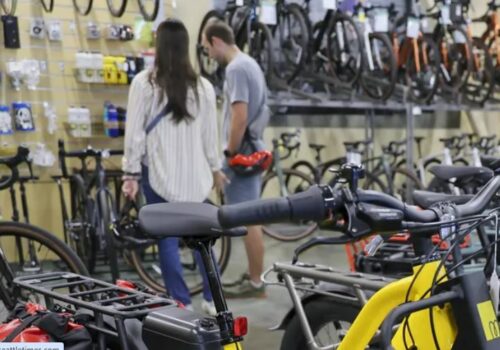
Seattle: e-cargo bikes for greener deliveries
The city is hoping more last-mile deliveries by electric cargo bike will free up curb space, help tackle traffic congestion, and reduce air pollution.

Why move to a walkable city?
Because it could help tackle the rise in chronic diseases, including obesity and cardiovascular disease, linked to particularly sedentary countries like the US.

Copenhagen: urban planning for the well-being of inhabitants
In Copenhagen, the well-being of residents and sustainability guide mobility and urban planning
SHORT STORY
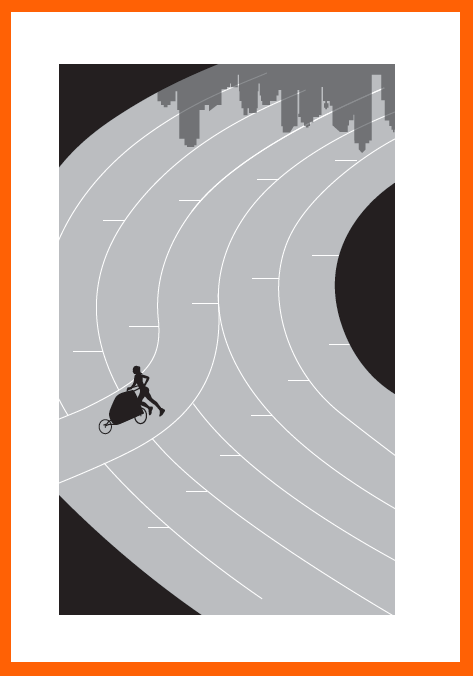
Welcome to Stadium City!
What if tomorrow cities were transformed into stadiums?